

Quick answer
Yes, Hakone functions as a day trip from Tokyo. The Odakyu Romance Car covers the distance in 90 minutes, and the region's circular sightseeing route—combining train, cable car, ropeway, and lake cruise—runs continuously from early morning through evening. Departure before 8 AM and return after 6 PM frames a ten-hour window that accommodates the full loop, though weather at the ropeway and crowds at Owakudani compress the margin.
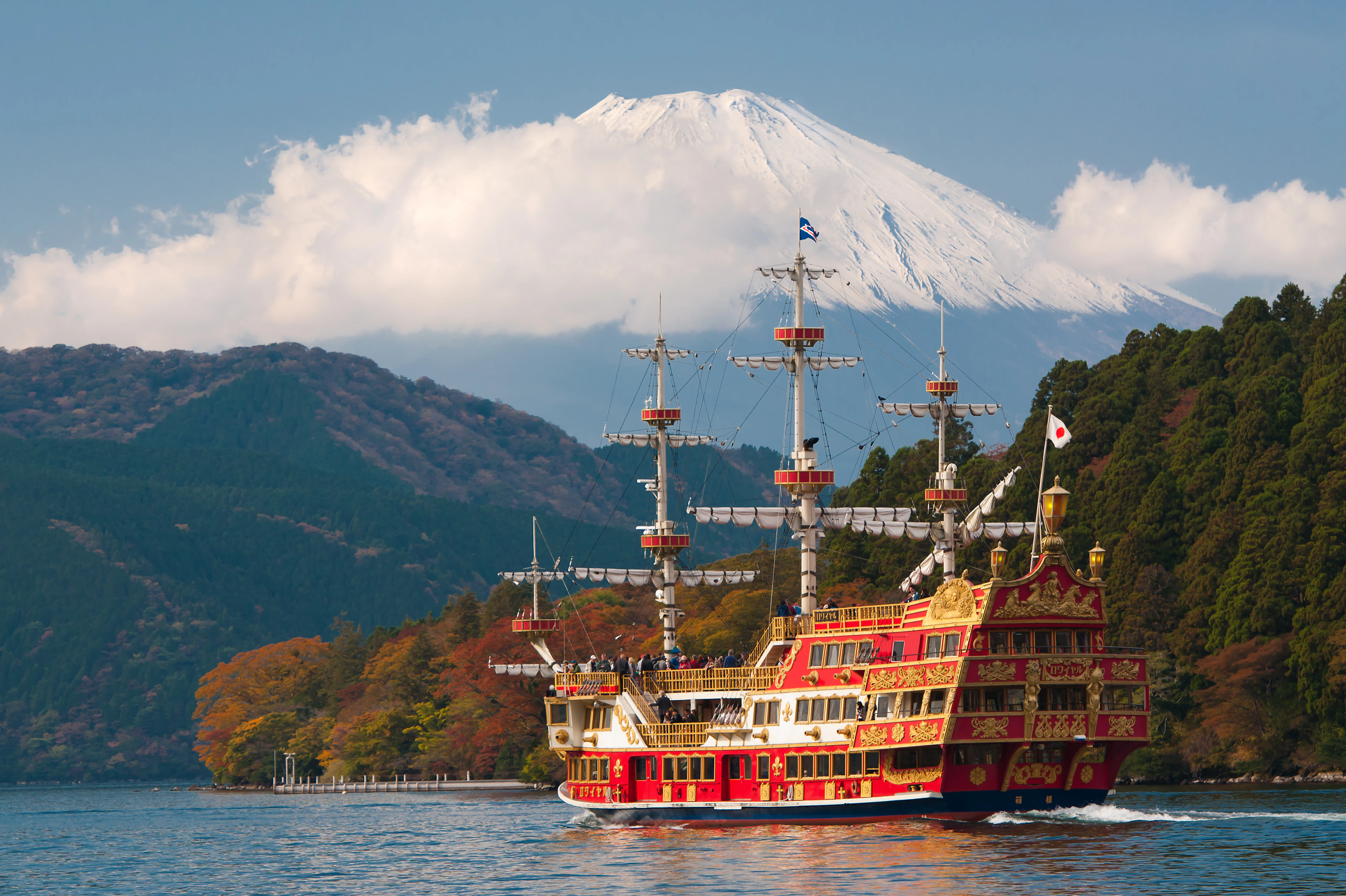
Hakone's geography arranges itself as a transit puzzle: seven distinct vehicles string together Hakone-Yumoto station, the switchback railway to Gora, the cable car to Sounzan, the ropeway over Owakudani's sulfur vents, the lake port at Togendai, and the pirate-ship cruise back to Moto-Hakone. Each segment takes fifteen to thirty minutes; the full loop spans four hours of movement, leaving six for stops. Whether Hakone rewards a Tokyo day trip depends on what you consider sufficient exposure. The Open-Air Museum in Chiyoda holds a two-hour claim. Owakudani's volcanic valley—black eggs boiled in sulfur springs, boardwalks through steam vents—demands forty minutes minimum when the ropeway operates; wind or volcanic gas readings shut it down, forcing a bus detour that adds an hour. Lake Ashi's pirate ship crosses in thirty minutes; Mt. Fuji visibility governs whether the crossing feels essential or redundant. Moto-Hakone's lakeshore torii and cedar-lined Hakone Shrine trail offer a twenty-minute composition, extended to ninety if you walk the Old Tokaido cedar avenue to Hatajuku. The Romance Car's reserved seating and panoramic windows convert the Shinjuku-Hakone-Yumoto run into staged anticipation rather than subway endurance. Departure slots at 7:10 AM, 7:40 AM, and 8:10 AM determine whether you ride the first ropeway car or join the 10 AM crush at Owakudani. Return trains from Hakone-Yumoto run hourly until 7:38 PM; missing the 6:45 PM departure adds an hour to your Tokyo arrival but preserves the itinerary's integrity. Weather creates the variable the timetable cannot. Cloud cover erases Mt. Fuji from the lake and ropeway; sulfur dioxide spikes close Owakudani without notice; rain turns the Open-Air Museum's sculpture garden into a logistical penalty. The Hakone Freepass—covering the full loop and museum entries—assumes cumulative access across two or three days; compressing it into one visit converts the pass from value instrument to sunk cost unless every segment runs clear. A single-day visit suits travelers prioritizing the loop's mechanical novelty and volcanic theater over extended immersion in any single site.
“Seven vehicles string together the mountain loop; each segment takes fifteen to thirty minutes, leaving six hours for stops when you compress the route into a Tokyo day trip.”
Is Hakone a Day Trip from Tokyo: The Best Arrival Window
To experience Hakone as a successful day trip from Tokyo, the best arrival window is 07:30–09:30. Arriving during this period helps you avoid peak transit crowds and maximizes your daylight hours for the full sightseeing loop.
Spring (March-May)
Moderate to highMild temperatures, 10°C to 20°C. Popular for cherry blossoms in April.
Expect higher visitor numbers during spring festivals. Early arrivals are essential to manage increased foot traffic.
Summer (June-August)
HighWarm and humid, 20°C to 30°C. Frequent rainy days in June.
Hydrangea season brings more visitors to mountain areas. Plan for early transit departures.
Autumn (September-November)
HighCooler, 10°C to 20°C. Peak foliage in November.
Autumn colors draw significant crowds. Arriving before 09:30 is necessary to secure transportation capacity.
Winter (December-February)
LowerCold and dry, 2°C to 12°C. Clear views of Mount Fuji.
Visibility of Mount Fuji is highest during winter months. Fewer visitors allow for a more relaxed pace.
Verdict: The best time to visit is during the shoulder months of April or October, ensuring arrival between 07:30–09:30 to maximize your day.
How to Plan Transit When Determining Is Hakone a Day Trip from Tokyo
Hakone is located in the Ashigarashimo-gun district of Kanagawa Prefecture. The most efficient approach from Tokyo is via high-speed rail services directly connecting major metropolitan hubs to the Hakone-Yumoto gateway.
Odakyu Limited Express Romancecar from Shinjuku Station to Hakone-Yumoto Station
JR Tokaido Shinkansen from Tokyo Station or Shinagawa Station to Odawara Station
Odakyu Hakone Highway Bus from Shinjuku Expressway Bus Terminal to Togendai
Can You Fit the Hakone Loop Into an Itinerary If Is Hakone a Day Trip from Tokyo?
This schedule follows the Hakone Round Course loop, covering Lake Ashi, the ropeway, Owakudani, and an art museum in one day. It assumes a 9:00 arrival in Hakone-Yumoto.
Hakone-Yumoto to Togendai
Take the Hakone Tozan Railway to Gora, then the cable car and ropeway to Togendai. Allow 15 minutes for each transfer and enjoy views of the valley.
Lake Ashi Sightseeing Cruise
Board the pirate ship from Togendai to Moto-Hakone or Hakone-machi. The crossing takes 30 minutes; spend another 30–45 minutes walking the lakeshore and photographing the torii gate.
Lunch and Hakone-machi Exploration
Eat near the port—grilled fish and soba are common—and visit Hakone Checkpoint if time permits. Budget 90 minutes total.
Ropeway to Owakudani
Take the bus to Togendai, then ride the ropeway back up. Spend 45 minutes at Owakudani observing the sulfur vents and tasting black eggs.
Hakone Open-Air Museum
Descend via cable car and railway to Chokokunomori station. The sculpture park takes about an hour; prioritize the Picasso Pavilion if short on time.
Return to Hakone-Yumoto
Board the Tozan Railway back to Hakone-Yumoto. Pick up omiyage near the station before catching your train to Tokyo.
Is Hakone a Day Trip from Tokyo: Understanding Entrance Fees and Costs
Hakone is a region rather than a single attraction, meaning there is no general entrance fee for access. Total costs for a day trip primarily depend on transportation choices and individual attraction fees.
Adults pay 0 JPY for regional access, with total daily expenses determined by transportation tickets and specific site entries.
Pre-Visit Checklist for Is Hakone a Day Trip from Tokyo
A few steps before leaving Tokyo will help you move smoothly through Hakone's transport loop and weather conditions.
-
Check Odakyu Romance Car availability — Reserve seats early for direct Shinjuku–Hakone-Yumoto service, especially on weekends.
-
Download Odakyu or Hakone Tozan timetables — Local bus and ropeway schedules shift seasonally and during maintenance periods.
-
Verify weather and volcano alerts — Owakudani ropeway closes during high sulfur dioxide readings or poor visibility.
-
Charge your IC card — PASMO or Suica cover most Hakone transport; cash-only spots are rare but exist.
-
Pack layers and a light jacket — Hakone sits 700 m higher than Tokyo; lake and mountain zones are noticeably cooler.
-
Confirm return train times from Odawara — Missing the last Romance Car means a slower local service or extended travel time.
Check availability
Frequently Asked Questions About Visiting Hakone from Tokyo
Everything you need to know about is hakone a day trip from tokyo