

Quick answer
A Hakone day trip from Tokyo typically costs ¥10,000–¥20,000 per person. The Hakone Free Pass (¥6,100 from Shinjuku) covers round-trip romance car trains and unlimited regional transport, plus discounted entry to The Hakone Open-Air Museum (¥2,000 standard admission). Budget an additional ¥2,000–¥4,000 for meals and ¥1,000–¥3,000 for attractions not covered by the pass, such as the Hakone Ropeway or pirate ship if traveling without the multi-day version.
The Hakone Free Pass anchors most visitor budgets, bundling Odakyu railway access with six forms of mountain transport including the switchback train, cable car, and ropeway. Issued in two-day (¥6,100) and three-day (¥6,500) versions from Shinjuku Station, it eliminates the need to calculate individual fares across the volcanic caldera's loop route. Without it, standard round-trip rail fare alone runs ¥4,360, and each leg of the sightseeing circuit—Hakone Tozan Railway (¥400), cable car (¥430), ropeway (¥1,550 one-way)—compounds quickly. Admission fees vary by venue. The Hakone Open-Air Museum charges ¥2,000 for adults, while the Pola Museum of Art runs ¥1,800 and smaller shrines like Hakone Shrine request voluntary donations. Free Pass holders receive 10–30 percent discounts at partnered museums, hot spring facilities, and the Lake Ashi pirate ship. Travelers visiting only one or two paid sites may find à la carte tickets cheaper than the pass, particularly if skipping the ropeway or limiting transport to buses. Meal costs depend on venue choice. Convenience store bentos range ¥500–¥800, lakeside teahouses serve noodle sets for ¥1,200–¥1,800, and multi-course kaiseki meals in Gora or Yumoto begin at ¥3,500. Most visitors allocate ¥2,000–¥4,000 for food across the day. Vending machines offer drinks at ¥150–¥200, and regional black eggs at Owakudani cost ¥500 for five. Seasonal variables affect total expenditure. Autumn foliage and spring hydrangea periods see higher restaurant wait times, nudging travelers toward pricier sit-down venues instead of quick-service counters. Winter's reduced ropeway schedule may necessitate taxi segments (¥2,000–¥4,000 between nodes), while summer's longer daylight hours allow budget-conscious visitors to pack homemade lunches and linger at free lakeside walking paths. Currency exchange spreads and romance car seat reservations (¥1,300 supplement) add incremental line items to the hakone day trip from tokyo cost guide. Understanding cost structure—fixed transport versus variable admissions—allows precise trip customization. Solo travelers often find the Free Pass essential, while groups of four or more occasionally save by splitting taxi fares and skipping the cable car in favor of direct bus routes.
“The Hakone Free Pass eliminates fare arithmetic across six transport modes, bundling round-trip rail and unlimited mountain access for ¥6,100.”
Breaking Down the Total Hakone Day Trip From Tokyo Cost
A day trip to Hakone involves balancing transportation from Tokyo with local transit and dining expenses. Budgeting for these core categories ensures a straightforward travel experience.
How to spend less
- Purchase a regional transport pass to bundle transit costs
- Bring a refillable water bottle to reduce beverage spending
- Prioritize local dining options away from major stations
Expect a total per-person cost between 8,400 JPY and 18,300 JPY depending on your transport choices and dining preferences.
Transport Logistics and Hakone Day Trip From Tokyo Cost Management
Hakone is located in Kanagawa Prefecture and is primarily accessed from Tokyo via the Odakyu Odawara Line or the JR Tokaido Shinkansen. Selecting between rapid direct services and standard regional trains is the primary factor in managing your transportation costs.
Odakyu Limited Express Romancecar from Shinjuku Station to Hakone-Yumoto Station
JR Tokaido Shinkansen from Tokyo/Shinagawa Station to Odawara Station
Odakyu Odawara Line (Express) from Shinjuku Station to Odawara Station
Odakyu Hakone Highway Bus from Shinjuku Expressway Bus Terminal to Hakone-Togendai
Optimal Arrival Windows for a Hakone Day Trip From Tokyo Cost-Effective Visit
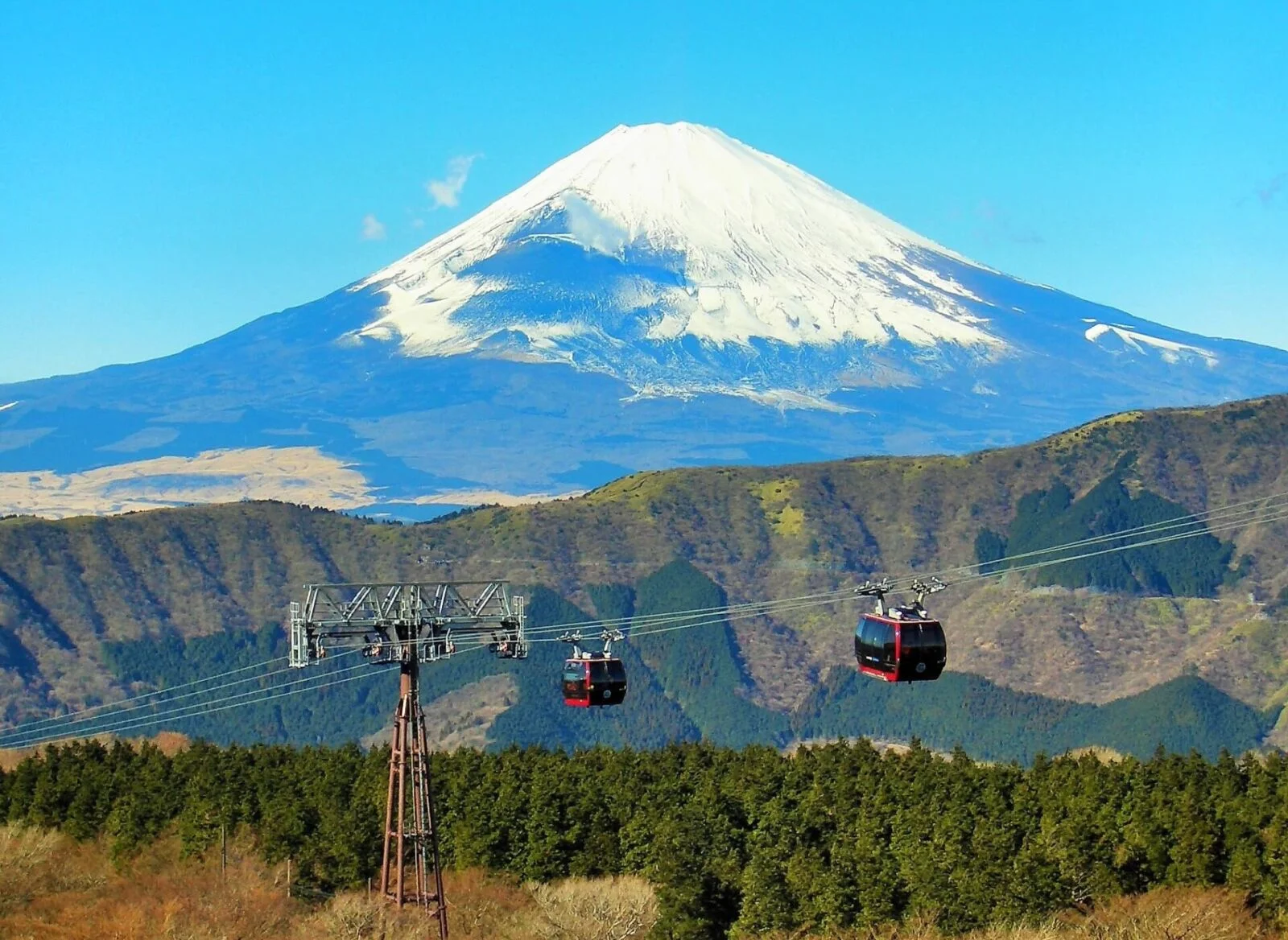
The best arrival window for a Hakone day trip is 09:00–10:30, which allows travelers to avoid mid-day crowds and maximizes the probability of clear views of Mount Fuji. Planning your departure from Tokyo to align with this window ensures efficient use of transit resources.
Weekday mornings
Minimal—
Reduced transit congestion allows for smoother navigation of the Hakone mountain railway and cable cars.
April and May
Moderate to HighMild, 12°C–20°C
Spring offers clear skies and cherry blossoms, though weekends remain consistently busy.
October and November
Moderate to HighCool, 10°C–18°C
Autumn provides crisp air and fall foliage, making these months popular for outdoor sightseeing.
December to February
Low to ModerateCold, 2°C–10°C
Winter months feature the highest frequency of clear, cloudless views of Mount Fuji.
Verdict: The most effective strategy is to arrive between 09:00 and 10:30 on a Tuesday, Wednesday, or Thursday during April or October.
Operating Schedules Relevant to Your Hakone Day Trip From Tokyo Cost
The Hakone Open-Air Museum operates on a consistent schedule throughout the week. Visitors can plan their arrival knowing the facility maintains stable daily hours.
| Monday | 09:00–17:00 | |
|---|---|---|
| Tuesday | 09:00–17:00 | |
| Wednesday | 09:00–17:00 | |
| Thursday | 09:00–17:00 | |
| Friday | 09:00–17:00 | |
| Saturday | 09:00–17:00 | |
| Sunday | 09:00–17:00 |
Check availability
Frequently Asked Questions About Hakone Day Trip Costs
Everything you need to know about hakone day trip from tokyo cost