

Quick answer
A functional Hakone day trip from Tokyo itinerary spans roughly 12 hours door-to-door, beginning with the 7:44 or 8:14 Romance Car from Shinjuku and targeting arrival at the Hakone Open-Air Museum by 09:00–10:30 to avoid midday tour groups. The circuit typically covers three to four anchor stops—the museum at 2,000 JPY general admission, Lake Ashi by pirate ship, Owakudani's ropeway, and either Hakone-Yumoto or Gora for a final onsen pause—before the return express departs by 17:30.
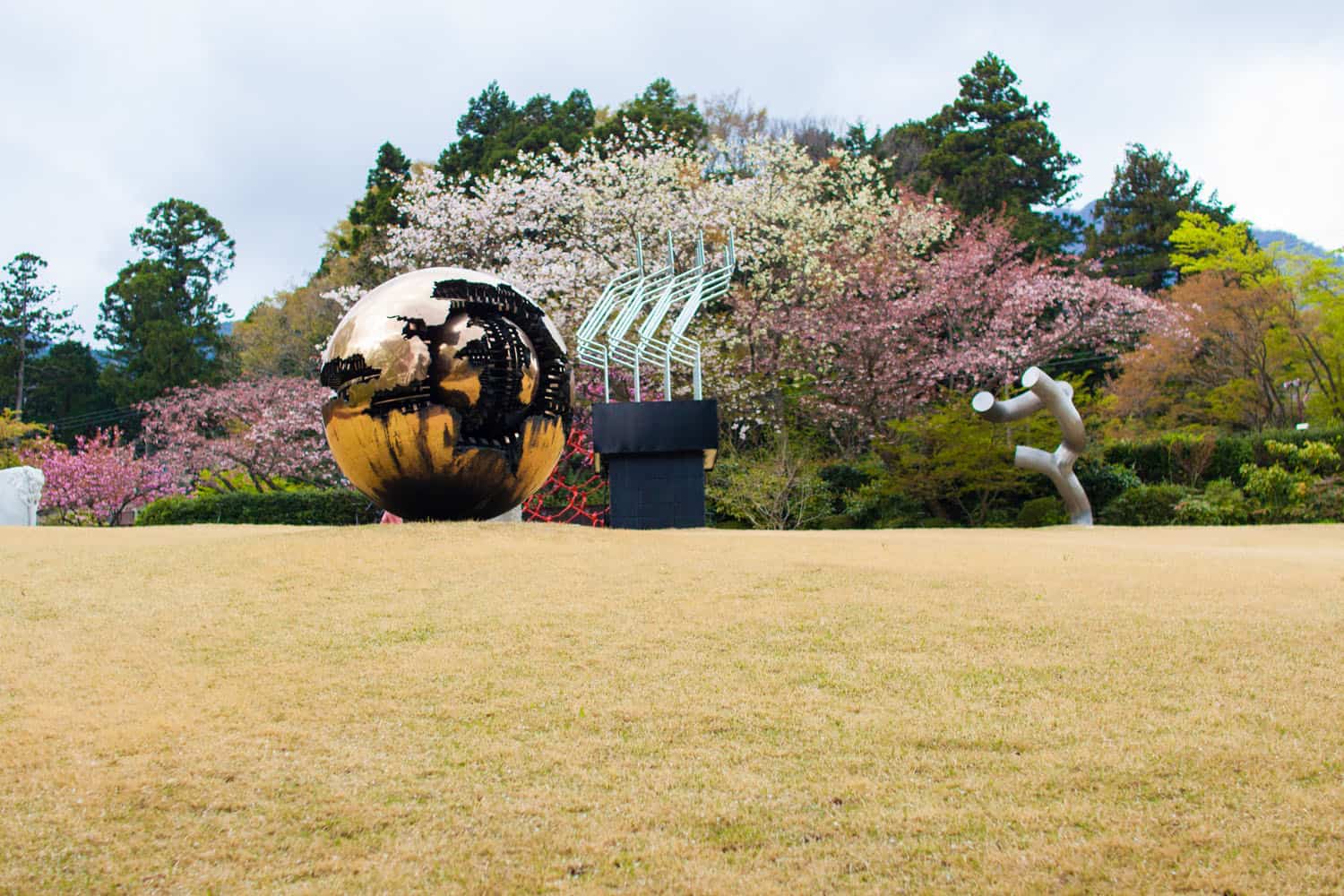
The Hakone Open-Air Museum operates daily from 09:00 to 17:00, a schedule that anchors every efficient Tokyo day-trip route through the mountain resort region. Located at 1121 Ninotaira in Hakone-machi, the museum sits on the Hakone Tozan line between Chokokunomori and Gora stations, making it the natural first or second waypoint after leaving Shinjuku. Most Tokyo departures target the early Romance Car slots—7:44 or 8:14 from Shinjuku—which deliver visitors to Hakone-Yumoto by 09:30, leaving a narrow but workable window to reach the sculpture park before the 10:30 tour-bus surge. The 2,000 JPY admission fee grants access to the outdoor collection, the Picasso Pavilion, and the indoor galleries, with most visitors allocating 90 minutes before continuing the loop toward Lake Ashi or the sulfur vents at Owakudani. The museum's closing time creates a firm deadline: any itinerary that places it last must account for the 17:00 gate closure and the subsequent connection back to Hakone-Yumoto for the final express to Tokyo. The Hakone Free Pass simplifies the logistics, bundling the Romance Car surcharge, the Tozan railway, the ropeway, and the lake ferry into a single credential valid for two or three consecutive days. Day-trippers typically purchase the two-day version, which costs less than assembling individual segments but still requires discipline—the mountain circuit is not a race, and attempting all five transport modes plus four major stops within 12 hours produces fatigue, not satisfaction. The sustainable approach selects three anchor experiences, buffers each with 20 minutes of transit contingency, and accepts that sunset over Lake Ashi or a second museum visit belongs to an overnight stay. The return journey mirrors the outbound rhythm: most day-trippers board the 16:30 or 17:11 Romance Car from Hakone-Yumoto, arriving in Shinjuku by 18:45. Booking the reserved Romance Car seat in advance is not optional during autumn foliage season or holiday weekends, when standby queues stretch past the platform edge and the unreserved Odakyu express adds 30 minutes to the return leg.
“The 2,000 JPY admission at the Open-Air Museum and the 09:00–10:30 arrival window form the twin anchors of every practical Hakone day trip from Tokyo itinerary.”
An Efficient Hakone Day Trip From Tokyo Itinerary
This itinerary suits travelers leaving Tokyo early and returning by evening, covering Hakone's key attractions in approximately 10–12 hours. The route uses the Hakone Loop transit network for efficient connections between Lake Ashi, Owakudani, and the Open-Air Museum.
Depart Tokyo for Hakone
Take the Odakyu Romance Car from Shinjuku to Hakone-Yumoto (85 minutes) or the shinkansen to Odawara with a local train transfer. Arrive by 09:00 to maximize your day.
Hakone Open-Air Museum
Explore the sculpture garden and indoor Picasso Pavilion at 1121 Ninotaira; allocate 2.5–3 hours to see the full collection without rushing. Purchase the 2,000 JPY entrance ticket on-site.
Lunch in Gora
Walk to nearby Gora Station area for soba or tonkatsu; several restaurants cluster around the station with mountain views.
Owakudani Volcanic Valley
Ride the Hakone Ropeway to see active sulfur vents and try the famous black eggs; visibility depends on volcanic activity levels, so check conditions in advance.
Lake Ashi Cruise
Board a sightseeing boat at Togendai or Moto-Hakone for views of Mt. Fuji (weather permitting) and the lakeside torii gate. The loop cruise takes 30–40 minutes.
Return to Tokyo
Catch the Romance Car or shinkansen connection from Hakone-Yumoto or Odawara; you'll arrive back in Tokyo by 20:00–20:30.
Best Time For Your Hakone Day Trip From Tokyo Itinerary
The best arrival window for your Hakone day trip is 09:00–10:30. Arriving early helps avoid the peak crowds and allows sufficient time to explore the grounds.
Spring (April–May)
Moderate to highMild temperatures, 15°C to 20°C
Cherry blossoms appear in April, though popular spots become very crowded. Early arrival is essential during this period.
Autumn (October–November)
HighCool and comfortable, 12°C to 18°C
Autumn foliage peaks in November, drawing significant visitors. Mid-week travel helps manage crowd levels.
Weekday mornings
Low—
Mid-week mornings offer the quietest experience for sightseeing. Arrive by 09:00 to maximize your itinerary before afternoon transit increases.
Verdict: Tuesday to Thursday, arriving at 09:00, during April or October offers the most favorable balance of weather and crowd density.
How To Get There For Your Hakone Day Trip From Tokyo Itinerary
Hakone is located in Kanagawa Prefecture and is most efficiently accessed from Tokyo via direct rail services. The primary gateway for travelers is Hakone-Yumoto Station, which serves as the central hub for regional transportation.
Odakyu Romancecar from Shinjuku Station to Hakone-Yumoto Station
JR Tokaido Line from Tokyo Station to Odawara Station, then local train
Odakyu Hakone Highway Bus from Shinjuku Expressway Bus Terminal to Hakone area
Opening Hours For Your Hakone Day Trip From Tokyo Itinerary
The facility maintains consistent operating hours throughout the week. It is open daily to accommodate visitors planning their Hakone day trip.
| Monday | 09:00–17:00 | |
|---|---|---|
| Tuesday | 09:00–17:00 | |
| Wednesday | 09:00–17:00 | |
| Thursday | 09:00–17:00 | |
| Friday | 09:00–17:00 | |
| Saturday | 09:00–17:00 | |
| Sunday | 09:00–17:00 |
Nearby Sights For A Hakone Day Trip From Tokyo Itinerary
Complement your visit by exploring these nearby locations, which are easily accessible and provide cultural or scenic contrast to the primary itinerary.
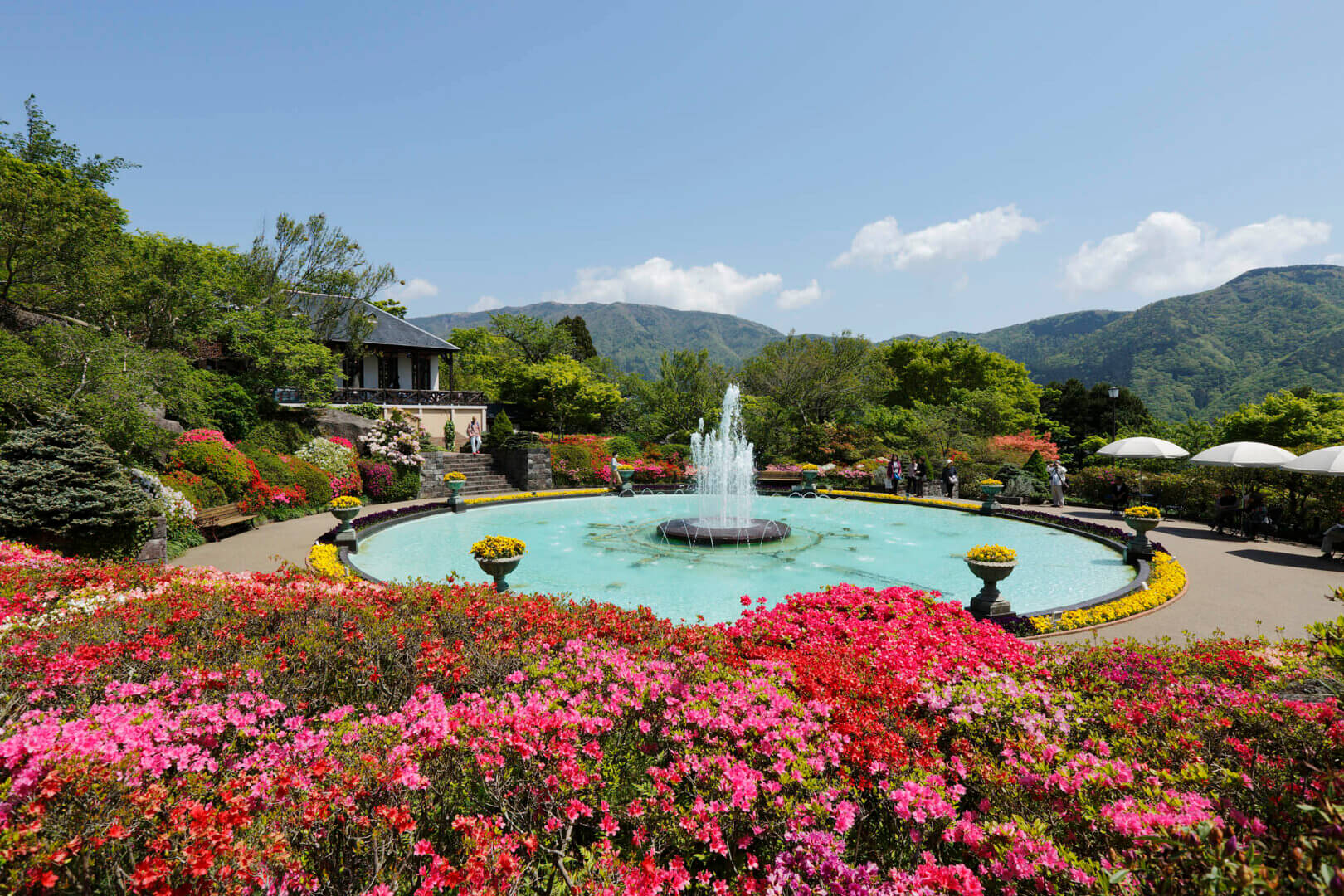
Hakone Gora Park
This French-style landscaped garden offers seasonal flowers and craft workshops, providing a quiet space to relax before or after your visit.
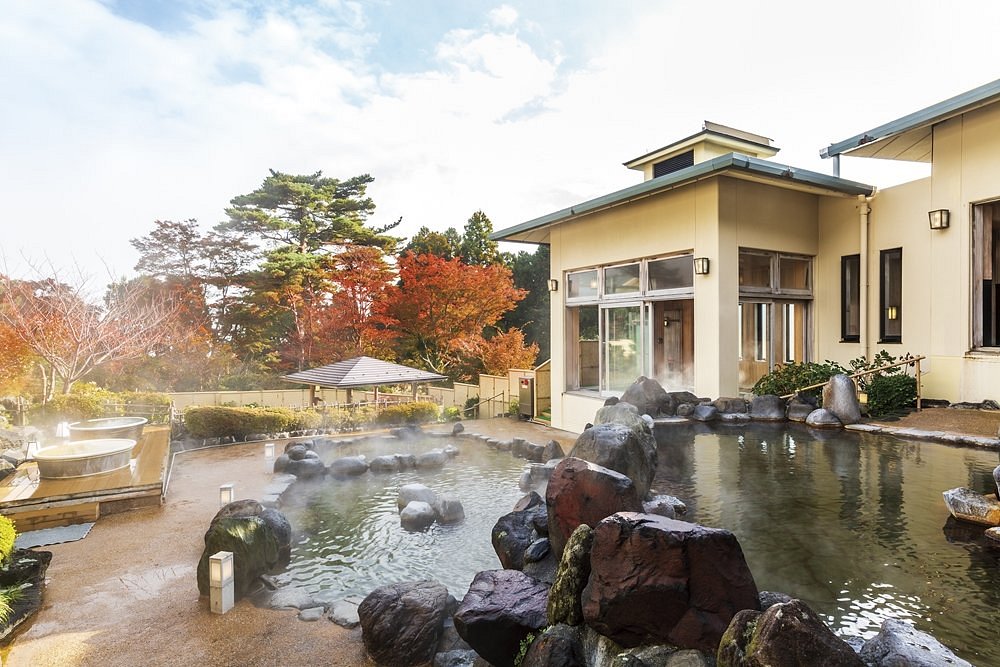
Hakone Kowakien Yunessun
This hot spring theme park features diverse bathing options, making it a suitable choice for those looking to experience Hakone's geothermal culture in a social setting.
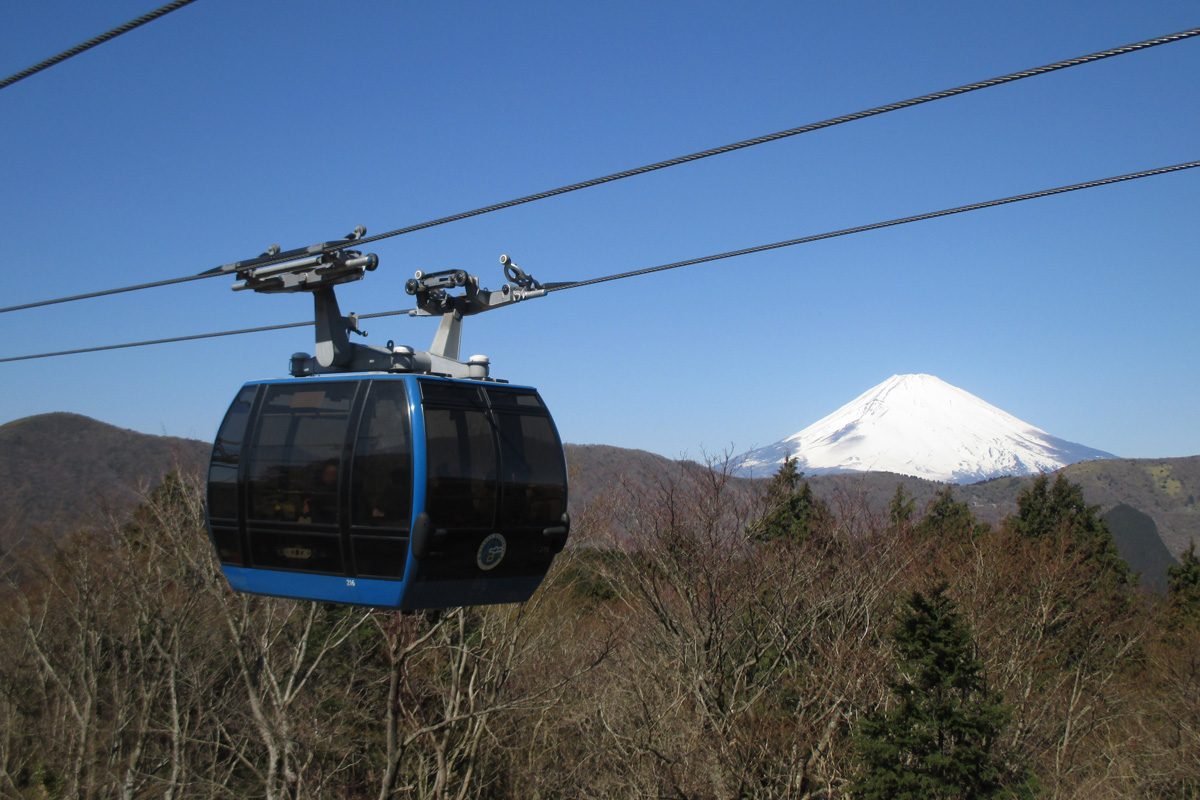
Hakone Ropeway
The ropeway connects to Owakudani, offering views of the volcanic valley and Mount Fuji, which pairs well with the arts-focused primary visit.
Check availability
Frequently asked questions about Hakone day trip logistics
Everything you need to know about hakone day trip from tokyo itinerary